Author: Steph

  • New Spend Management Capabilities Now Live

    New Spend Management Capabilities Now Live

    1. Spend Management in Gen3 Carbon 

    We’re excited to share the newest capabilities now available in our third-generation Carbon platform. These developments represent significant advances in automated carbon accounting, designed to streamline your processes while maintaining the flexibility and reliability you expect from BraveGen.

    Code Free Automated Supplier Data Management

    The new Spend management features mean that you can automate data loading without complex API integrations. Simply map supplier data files for seamless automated loading and categorisation via an email process, available for both on-demand and through scheduled processes.

    Key features include:

    • Unique supplier email addresses for automated file processing
    • Support for complex, multi-format data feeds including multi-sheet Excel files and CSV formats
    • Built-in aliasing and lookup capabilities
    • Full task visibility and progress tracking
    • Direct integration with your CSR environment

    This automation significantly reduces manual data entry while eliminating the risk of data loss, giving you more time to focus on strategic carbon management decisions.

    New Built in Transformation capabilities

    The Gen3 Carbon Spend Module allows you to apply emission factors in the tool with key ANZ and global libraries available including:

    • EXIOBASE – Over 25,000 emission factors for spend-based calculations across diverse sectors and geographies
    • Motu – New Zealand-specific factors for local accuracy
    • Auckland Council – Regional emission factors
    • Thinkstep – Industry-standard factors
    • MfE – Ministry for the Environment factors

    This expansion ensures organisations operating in the ANZ region have access to locally relevant emission factors while maintaining comprehensive global coverage for international operations.

    Accessible for Carbon CSR Gen2 users

    These improvements create a seamless workflow from financial data through to emissions calculations, with all results flowing directly into your existing CSR system.


    2. Advanced PDF Processing

    Our intelligent PDF ingestion technology is now available to all CSR clients. This feature delivers:

    • Automated data capture from utility invoices
    • Intelligent identification of missing data
    • Seamless integration into emissions reporting workflows
    • Significant reduction in manual data entry for utility management

    3. Continuous Development Commitment

    The Gen3 platform represents our commitment to staying ahead of the evolving carbon accounting landscape. With regular updates and improvements that respond to real-world challenges and customer feedback, you’re always working with cutting-edge capabilities.


    Next Steps

    Current customers: Contact your account manager about joining the Early Access Program to start using these advanced features and help shape their continued development.

    Prospective customers: These capabilities can be discussed and requested as part of your solution evaluation. We’d be happy to demonstrate how Gen3’s continuous development approach ensures you’re always equipped with the latest carbon accounting capabilities.

    Ready to explore these new capabilities? Contact your BraveGen account manager or reach out to our team to learn more about how these updates can streamline your carbon accounting processes.

  • Climate Change and Business Conference

    Climate Change and Business Conference


    Climate Change and Business Conference

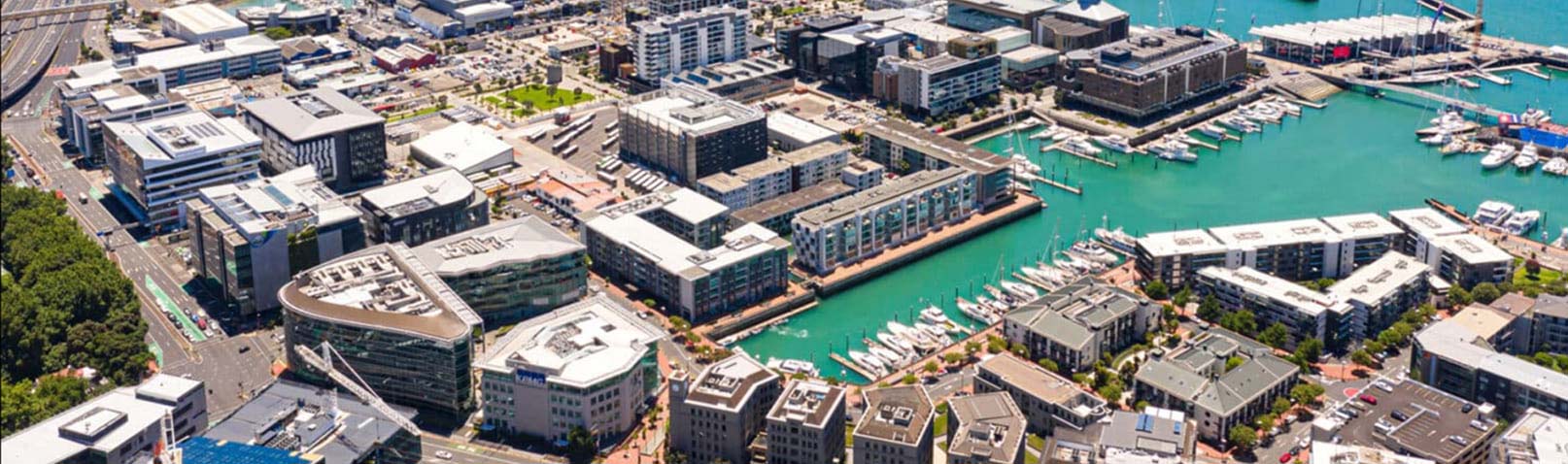
    Viaduct Events Centre in Tāmaki Makaurau Auckland
    September 8-9, 2025

    New Zealand’s premier climate conference presents two days of critical discussions for sustainability professionals navigating the evolving landscape of climate action. A number of the BraveGen team will be attending, and here’s a quick preview of some of the sessions we’re excited about that address the challenges and opportunities facing organizations across Australia and New Zealand. In person registrations have ended but you can still attend the conference live stream.

    AI and Climate Change

    Monday, 3:10 pm – 3:20 pm Speaker: Oliver Bruce, Director, Uush Capital

    Explore how artificial intelligence is reshaping climate solutions, from energy optimization to emissions identification. Bruce will examine AI’s dual role – addressing its significant energy demands while unlocking its potential to accelerate climate action across complex operations.

    BraveGen customers have seen the value of AI with BraveGen’s Clive AI alerts. Find out more about AI in sustainability at this session.

    The Built Environment of the Future

    Monday, 11:30 am – 12:15 pm Speaker: Andrew Eagles, CEO, New Zealand Green Building Council

    Critical insights for organizations managing property portfolios. Eagles will address sustainable construction, building optimization strategies, and the integration of rating systems including NABERS, Green Star, and emerging frameworks that drive both compliance and operational value.

    With building operations representing 28% of organizational emissions, this session offers essential guidance for maximizing building performance alongside carbon reduction.

    Climate Disclosures: What Are They Good For?

    Tuesday, 1:00 pm – 1:45 pm (Sponsored by Atticus) Speaker: Amelia Sharman, Director Sustainability Reporting, External Reporting Board

    Move beyond basic compliance to understand how quality climate reporting drives business value and stakeholder confidence. Sharman will explore the real-world impact of disclosure requirements and what makes reporting truly effective.

    Essential viewing for organizations preparing for audit-ready disclosure processes.

    CBAM, CSRD, ISSB

    Tuesday, 1:50 pm – 2:30 pm Speaker: Aisha Daji Punga, CEO, Toitū Envirocare

    Navigate the complex landscape of international reporting standards and their implications for ANZ organizations. Daji Punga will address how global frameworks like the Carbon Border Adjustment Mechanism, Corporate Sustainability Reporting Directive, and International Sustainability Standards Board requirements translate to local implementation.

    Critical for organizations operating across international markets or supply chains.

    Making the Business Case for Adaptation Investment

    Monday, 2:05 pm – 2:45 pm Speaker: Prageeth Jayathissa, GM Sustainability, Vector Limited

    Learn how leading organizations build compelling business cases that move beyond environmental benefits to demonstrate quantifiable returns, risk mitigation, and competitive advantages from sustainability investments.

    Jayathissa will share practical approaches for securing executive buy-in and demonstrating measurable value.

    Driving Decarbonisation Across the Value Chain

    Tuesday, 11:20 am – 12:00 pm Speaker: Carolyn Cox, Sustainability Manager, City Rail Link

    Address the complexities of Scope 3 emissions and supply chain engagement. Cox will explore systematic approaches to comprehensive carbon reduction, including supplier engagement strategies and data collection across complex networks.

    Valuable insights for organizations tackling their full carbon footprint beyond direct operations.

    Climate Risk, Insurance, and Liability

    Monday, 12:20 pm – 1:05 pm Speaker: Emily Grace, Principal Policy Advisor, New Zealand Planning Institute

    Examine how climate risks are reshaping insurance markets and liability landscapes. Grace will address risk management strategies and the evolving regulatory environment affecting business operations.

    Important context for organizations developing climate adaptation and resilience strategies.

    The Net Zero Transition: What Role is Finance Playing?

    Tuesday, 10:10 am – 10:50 pm Moderator: Joanna Silver, Head of Sustainable Finance, Westpac

    Understand how financial institutions are adapting to support the net-zero transition. The panel will explore ESG investment trends, sustainable finance products, and how financial markets are balancing climate risks with investment opportunities.

    Key insights for organizations seeking climate-focused funding or managing financial climate risks.

    Voluntary Markets for Carbon and Nature

    Tuesday, 11:20 am – 12:00 pm Speaker: Anne Haira, Deputy Secretary, Ministry for the Environment

    Anne will explore opportunities in carbon and nature markets, including voluntary carbon credits and emerging nature-based solutions. She’ll address market developments and regulatory frameworks affecting participation.

    Relevant for organizations considering carbon offsetting strategies or nature-based investments.

    Parliamentary and Ministerial Addresses

    The conference features addresses from key political leaders including:

    • Hon Chris Hipkins, Leader of the Opposition (Monday, 4:00 pm)
    • Hon Simon Watts, Climate Change Minister (Tuesday, 3:50 pm)

    These sessions will outline policy directions and government priorities affecting business climate action across New Zealand.

    International Keynotes

    Pacific Leadership Perspectives (Monday, 8:50 am): Hon Ralph Regenvanu, Vanuatu’s Climate Change Minister, and Cynthia Houniuhi, President of Pacific Islands Students Fighting Climate Change, offer crucial regional perspectives on climate justice and global responsibility.

    Mobilising Finance for Low-Carbon Future (Tuesday, 9:00 am): Lord Adair Turner, Chair of the Energy Transitions Commission, will share insights on financing the net-zero transition and unlocking capital for clean technology.

    Networking Opportunities

    • Monday Networking Luncheon: 1:05 pm – 2:05 pm
    • Monday Evening Drinks: 5:40 pm – 6:30 pm
    • Tuesday Networking Luncheon: 12:00 pm – 1:00 pm

    Why Attend

    The conference addresses the critical intersection of policy, technology, and business strategy in climate action. For sustainability professionals, it offers essential insights into:

    • Emerging regulatory requirements and compliance strategies
    • Technology integration opportunities in sustainability management
    • Business case development and ROI demonstration
    • Supply chain and value chain decarbonization approaches
    • Financial sector trends affecting climate investment
    • International framework implementation in ANZ context

    The program reflects the maturing sustainability landscape, where organisations are moving from basic compliance to integrated strategies that deliver both environmental and business value.


    BraveGen team members will be participating throughout the conference, available for discussions on integrated approaches to carbon accounting and building optimisation.

  • Carbon Action not Carbon Admin: How BraveGen’s Suite Simplifies ANZ Sustainability

    Carbon Action not Carbon Admin: How BraveGen’s Suite Simplifies ANZ Sustainability

    We’re excited to launch our new website – the first step in rolling out evolved brand messaging that better reflects our expanded capabilities as a comprehensive sustainability suite. Our updated positioning emphasises what makes us unique: the only audit-proven, scaled sustainability suite with both carbon accounting and building optimisation specifically designed for Australia and New Zealand.

    Climate Action Not Carbon Admin

    After two decades of developing sustainability solutions for the region, BraveGen has refined its message around a simple but powerful principle: “Climate Action Not Climate Admin.” This tagline captures our mission to transform sustainability from a compliance burden into a strategic advantage for businesses across Australia and New Zealand.

    “We’ve been listening to our clients, and the message is clear. Organisations don’t want multiple systems and vendors – they want a single provider focused on delivering meaningful results. Our evolved messaging reflects what we’ve always delivered: audit-proven software that turns sustainability compliance into competitive advantage.”

    The Power of Integration: Why Dual Capability Matters

    BraveGen’s repositioning highlights a critical market insight: while carbon accounting and building optimisation software are valuable independently, their true power emerges when integrated. This joint value proposition addresses a gap in the sustainability software market, where businesses typically juggle multiple point solutions to manage their environmental footprint. This integrated approach transforms how businesses approach sustainability – enabling them to automate more processes and act faster on opportunities.

    Complete Data Pipeline: BraveGen offers the full range of data ingestion tools, from digitising PDFs and data file management to Smart Forms and other tools for engaging with suppliers. You can then categorise and validate your data quickly with our guided, automated process flows and adaptable hierarchies that fully align with your organisational needs. This all happens within our audit-ready, ISO- and GHG-compliant environment.

    Intelligence That Drives Action: Move beyond data collection to action with BI analytics and AI-powered alerts that spotlight new opportunities for reduction and efficiency. The integrated approach means building optimisation insights automatically inform carbon reduction strategies, while carbon data reveals building performance opportunities.

    Tangible Financial Impact: The combination of carbon accounting and building performance management delivers tangible savings, often in the six- and seven-figure range annually. With electricity, water, and gas costs rising, it’s critical that you operate your buildings as efficiently as possible to save money. Add the impact of factors like improved ratings on portfolio values, brand impact from carbon leadership, and reduced admin effort – the business case for the BraveGen Sustainability Suite is compelling.

    Local Expertise in a Global Market

    Our messaging evolution also reinforces BraveGen’s position as the only Australia-New Zealand specialist offering this dual capability. With deep understanding of local regulations – from New Zealand’s CRD mandatory climate reporting to Australia’s ASRS – BraveGen’s expertise spans over 20 years of regional market knowledge. Additionally, BraveGen brings deep knowledge of building ratings and optimisation, with expertise in NABERS, NABERSNZ, Green Star, GRESB, and more.

    Building operations account for 28% of company emissions – much higher for companies with large building portfolios. The ability to streamline the capture, transformation, and reporting processes, then easily drive action in building optimisation, delivers massive value for many companies.

    “ANZ is not a focus for most global providers, who lack basic knowledge about areas like critical local emission factor libraries. Equally, being supported by ANZ market specialists focused on continuous improvement makes sustainability and property managers’ lives much easier. Other local providers are new to the market, so they don’t have the deep expertise and software capabilities we’ve developed over years of working with customers. Our audit-proven platforms are built specifically for how businesses operate here – from Auckland office buildings to Sydney educational facilities.”

    Proven at Scale: The Audit-Proven Difference

    Central to BraveGen’s evolved messaging is the concept of “audit-proven” software – systems that have been successfully verified by independent auditors across complex property portfolios and carbon reporting requirements. This reliability factor addresses a critical pain point for sustainability managers who need confidence in their ability to complete audits quickly with minimal effort. BraveGen’s first product manager was an auditor, so being auditor-friendly is in the DNA of our software.

    This reliability is demonstrated through our track record of successful third-party verifications and clients achieving certification targets with streamlined audit processes. No other ANZ-focused provider has successfully completed as many assurance-level audits as BraveGen.

    Website Launch: The First Step

    This new website represents the first phase of our messaging rollout. Over the coming months, you’ll see this evolved positioning reflected across all our communications, from client interactions to industry presentations. The website showcases our integrated approach and makes it easier for prospects to understand the unique value of our dual expertise.

    Our rapid growth across Australia reflects the increasing demand for sophisticated sustainability solutions in the region, with increased emphasis on what we’re delivering for our Australian and Trans-Tasman customers. This messaging evolution clarifies our mission: making sustainability software that actually works for ANZ businesses.

    “We’re not just launching a new website – we’re clarifying our mission. Every feature we build, every client we serve, every insight we deliver is focused on making sustainability software that works for Australian and New Zealand businesses.”

    What This Means

    Our clients benefit from clearer communication about our suite’s integrated capabilities, while new prospects better understand the unique value of choosing a local specialist with dual expertise. Our expert support teams continue providing dedicated guidance through complex sustainability implementations, audits, and certifications.

  • How ASB Bank cut energy use by 49%, saved $2.1M annually, and avoided 11,575 tCO₂‑e with BraveGen’s monitoring and analytics

    How ASB Bank cut energy use by 49%, saved $2.1M annually, and avoided 11,575 tCO₂‑e with BraveGen’s monitoring and analytics

    Challenge
    Limited Insight from Traditional Reporting

    ASB set ambitious long‑term energy and carbon reduction goals, but its existing approach to tracking performance relied heavily on traditional energy audits and invoice data. This meant the property team lacked the real‑time visibility needed to identify high‑consumption sites and prioritise efficiency upgrades.

    The limitations included:

    • Energy usage data delayed by monthly billing cycles
    • No live monitoring to pinpoint specific inefficiencies
    • Inability to compare site performance and target worst performers
    • Rising energy use per sqm despite earlier initiatives
    • Difficulty building a strong business case for future improvements

    Action

    BraveGen provided comprehensive monitoring, analytics, and consulting services to integrate efficiency and sustainability into ASB’s property operations.

    Automated Data Integration

    • Installed high‑quality sub‑load metering at all sites, measuring every 15 minutes
    • Consolidated all monitoring into BraveGen’s cloud analytics platform
    • Developed a branch energy tracker leaderboard to engage and motivate teams
    • Automated carbon calculators for reporting and audit requirements
    • Implemented a rolling programme of performance upgrades based on data insights

    Key Features Implemented

    • Portfolio‑wide real‑time energy monitoring
    • Targeted performance improvement programme
    • Integration with NABERSNZ for building performance ratings
    • Energy audit and tariff optimisation services
    • Ongoing managed services for continuous savings

    Impact

    Operational Improvements

    • 49% energy reduction achieved across the entire portfolio – 14.3 GWh annually saved
    • Over $2.1 million NZD annual cost savings
    • 11,575 tonnes CO₂‑e avoided cumulatively – electricity is ASB’s largest single direct emission source
    • 5 Star NABERSNZ rating at North Wharf HQ
    • Improved audit efficiency – direct meter data used for carbon reporting, reducing admin burden

    Awards & Recognition:

    • Winner, EECA Energy Management Award (2012)
    • Winner, EECA Large Business Award (2012)
    • Commended, EECA Large Business Award (2014)

     “ASB is really proud of the energy efficiency results we have achieved. Our partnership with BraveGen has been critical to delivering those results across such a large portfolio.”
    Anita Potgieter – Head of Facilities Management, ASB Bank

    “The monitoring and professional services that BraveGen provide have been invaluable. They give us the visibility to productively plan and track performance across our entire portfolio.”
    Matt Rowbotham – GM Procurement & Property, ASB Bank

  • How Port Marlborough cut GHG emissions by 8% and landfill waste by 5% in just six months with BraveGen

    How Port Marlborough cut GHG emissions by 8% and landfill waste by 5% in just six months with BraveGen

    Challenge
    Manual Processes Hindering Sustainability Goals

    Port Marlborough operates across multiple sectors — from shipping and forestry exports to tourism and New Zealand’s largest marina operation. Sustainability is embedded in their long-term strategy, underpinned by the four pillars: People, Planet, Prosperity, and Partnerships, and aligned with the UN Sustainable Development Goals (SDGs).

    However, their sustainability reporting was manual and spreadsheet-based, creating challenges:

    • Inefficiency in monthly and half-yearly reporting
    • Difficulty providing clear audit trails
    • Limited granularity on emissions and waste data
    • Supplier reporting inconsistencies (Scope 3 challenges)
    • Risk of human error during data entry and analysis

    As the only NZ port reporting to GRI standards, accuracy and consistency were non‑negotiable — but the existing system could not support expanding compliance and transparency needs.

    “Our monthly and half-yearly reports were challenging, and audit tracing was particularly difficult with data stored in spreadsheets.”
    Rebekah Anderson – Environmental Manager


    Action

    BraveGen implemented an automated, centralised sustainability data platform to replace manual processes and enable accurate, timely, and auditable reporting.

    Automated Data Integration

    BraveGen’s platform allowed Port Marlborough to:

    • Streamline data collection across all emissions scopes, including supply chain
    • Replace manual spreadsheets with a centralised, structured system
    • Automate sustainability scorecards aligned with their four strategic pillars
    • Establish built-in audit trails to trace data back to sources instantly
    • Report with greater granularity on emissions, waste, and water usage

    Key Features Implemented

    • Centralised sustainability reporting platform
    • Automated emissions, waste, and water tracking
    • Supplier data integration and Scope 3 readiness
    • Real-time sustainability scorecards
    • Comprehensive audit trail functionality
    • Alignment with GRI reporting standards

    Impact

    Operational & Environmental Improvements

    • 8% GHG reduction and 5% landfill waste reduction achieved in just 6 months
    • Major audit success — passed verification audit with only minor non‑conformances, resolved immediately
    • Freed up staff time — reduced manual data entry workload, enabling focus on climate action projects rather than admin
    • Increased data transparency and consistency for both internal and third‑party verification
    • Improved supplier reporting, setting the foundation for future Scope 3 integration

    “BraveGen’s audit trail feature was invaluable. We completed our audit with only some minor non‑conformances that were actioned immediately.”
    Rebekah Anderson – Environmental Manager

    “Improvement is only possible when data is measured accurately. BraveGen has been instrumental in providing the transparency and granularity needed to inform our sustainability efforts.”
    Rebekah Anderson – Environmental Manager

  • How construction company Naylor Love achieved 70% waste diversion and progressed toward a 46% emissions reduction target with BraveGen

    How construction company Naylor Love achieved 70% waste diversion and progressed toward a 46% emissions reduction target with BraveGen

    Challenge
    Outgrowing Manual Systems

    Naylor Love has set science-based carbon reduction goals — 46% by 2030 and Net Zero by 2050. As these ambitions grew, manual spreadsheets proved inefficient and vulnerable to data entry errors.

    This approach made it difficult to:

    • Track detailed fleet emissions accurately
    • Monitor carbon budgets by project and region
    • Report comprehensively on Scope 1, 2, and emerging Scope 3 emissions
    • Manage waste diversion effectively at project level

    The lack of granular, accurate data limited their ability to make informed decisions — particularly around transitioning the fleet to hybrid or lower-emission vehicles.

    “Before BraveGen, we were using spreadsheets, which were OK for basics, but as the company grew, it became clear we needed a more robust system.”
    Jennie Watkins – Benchmarking & HSE Coordinator


    Action

    BraveGen implemented a centralised carbon accounting and sustainability data platform, replacing Naylor Love’s spreadsheets with an automated, highly detailed tracking system.

    Automated Data Integration

    BraveGen’s platform enabled Naylor Love to:

    • Replace spreadsheets with a structured, centralised system
    • Integrate live fleet monitoring to track fuel consumption per vehicle
    • Measure and manage carbon budgets by region and by project
    • Conduct Scope 1 & 2 tracking, with readiness for Scope 3
    • Track waste diversion rates across all projects

    Key Features Implemented

    • Centralised carbon and sustainability data management
    • Fleet-level emissions tracking and analysis
    • Waste management dashboards
    • Carbon budget monitoring by region
    • Real-time reporting and visual dashboards
    • Compliance readiness for Toitū Elevate certification
    • Integration with existing business operations and reporting requirements

    Impact

    Operational Improvements

    • Achieved 70% waste diversion across projects
    • Fleet insights enabled transition to hybrid vehicles and phase-out planning for diesel by 2030
    • Improved data accuracy and removed spreadsheet inefficiencies
    • Gave regional teams ownership of emissions targets via dashboards
    • Increased capacity for Scope 3 reporting ahead of regulatory demands

    “Our fleet is one of the biggest contributors to our carbon footprint. BraveGen’s ability to track fuel consumption at the individual vehicle level has been a game-changer.”
    Pete Lockhart – General Manager

    “One of the things I’m most proud of is the carbon dashboards. They allow us to track performance against carbon budgets more effectively.”
    Jennie Watkins – Benchmarking & HSE Coordinator

    What’s Next

    Naylor Love will:

    • Expand sustainability reporting to include full Scope 3 emissions
    • Continue optimising their vehicle fleet for lower emissions
    • Use BraveGen’s detailed dashboards to embed carbon management into every project

    “Scope 3 is going to be a big challenge, but we’re prepared. Thanks to BraveGen, we’re set up to navigate that over the next year.”
    Jennie Watkins – Benchmarking & HSE Coordinator

  • How property manager Bayleys and property owner Goodman’s achieved $3M in annual savings at Harbour Grounds Precinct

    How property manager Bayleys and property owner Goodman’s achieved $3M in annual savings at Harbour Grounds Precinct

    Challenge:
    Improving Performance in a Complex Property Precinct

    Property managers overseeing large, multi-site commercial portfolios face the constant challenge of balancing tenant comfort and sustainability with building performance and compliance targets. This is especially true at Auckland’s Harbour Grounds precinct, comprising seven waterfront office buildings totaling over 88,000 sqm and accommodating around 7,000 people. Here, assets of varying vintages and systems are managed for a high-profile workforce and discerning tenants. Growing expectations around energy ratings (notably NABERSNZ), operating cost control, and carbon emissions reductions placed increasing pressure on owners and managers to find robust, scalable solutions that could enable ongoing improvement and innovation – without compromising amenity or staff wellbeing.


    Action

    To meet these challenges, the owners of Harbour Grounds, with Bayleys as property manager, partnered with BraveGen in 2014. Their approach included:

    • Deploying advanced monitoring equipment and integrating with existing building sensors to collect real-time data on electricity, gas, and water consumption across all seven precinct buildings.
    • Implementing BraveGen’s cloud-based analytics platform for automated, continuous capture and advanced analysis of sub-metered energy data—enabling the accurate benchmarking of usage and identification of specific savings opportunities.
    • Correlating operational data (such as occupancy, hours of use, and heating/cooling needs) to add critical context to energy consumption patterns and inform actionable insights.
    • Engaging BraveGen’s specialist engineers to validate, analyse, and interpret the data—resulting in targeted interventions like building management system (BMS) optimisation, lighting upgrades, and HVAC improvements.
    • Setting clear performance goals around NABERSNZ ratings, with a roadmap to 5.5 stars, supporting ambitions to offer “high-quality, energy-efficient office space” for tenants.
    • Delivering detailed, actionable reporting to building managers and owners, enabling data-driven decisions and fostering a culture of sustainability among tenants.

    Impact

    The sustained partnership between Harbour Grounds and BraveGen has delivered significant, measurable results:

    • Over $3 million saved in operational costs for tenants since 2014—representing up to 32% reduction in energy costs across the portfolio.
    • 20 GWh in energy savings achieved—enough to power approximately 3,225 households.
    • 2,700 tonnes of CO₂-e avoided, putting the precinct on track to meet and exceed carbon reduction targets.
    • Continually improving NABERSNZ ratings: multiple buildings at 4+ stars, with one building on track for a 5.5 star rating.
    • Award-winning outcomes: Recognised as the EECA 2018 Energy and Emissions Reduction Project of the Year.
    • Enhanced tenant and staff experience: tangible improvements in office air quality, thermal comfort, and workplace amenity, driving greater wellbeing and staff engagement in ongoing sustainability efforts.
    • Culture shift: Increased awareness and participation in sustainability initiatives among tenants, supported by transparent reporting and visible building performance gains.

    The success at Harbour Grounds illustrates how integrated monitoring, advanced analytics, and specialist expertise empower property managers to unlock ongoing energy, cost, and carbon savings—while elevating workplace experience for tenants and staff.

  • How Auckland Council optimised energy use and cut $1.5M in costs across a diverse civic property portfolio

    How Auckland Council optimised energy use and cut $1.5M in costs across a diverse civic property portfolio

    Challenge:
    Improving Energy Management Across a Diverse Property Portfolio

    Auckland Council faces the complexity of managing a diverse portfolio of more than 3,500 buildings, ranging from large administration offices to public-use libraries, leisure centres, and swimming pools, each possessing highly specific and variable energy use profiles. The operational requirements for these facilities are diverse, involving different occupancy patterns, hours of use, and environmental control needs, making systematic energy management particularly challenging. Efficient asset management is critical for both reducing operating costs and meeting ambitious climate targets, such as a 50% reduction in greenhouse gas emissions by 2030 and net zero by 2050. The council needed detailed, real-time information across its portfolio to inform energy reduction strategies that could be consistently applied despite the complexity, scale, and variety of its assets.


    Action

    To address these challenges, Auckland Council partnered with BraveGen, an energy management solutions provider, beginning in 2012. The collaborative approach involved:

    • Deploying advanced remote monitoring equipment on nearly 70 of the council’s most-used buildings, capturing real-time electricity, gas, water, and temperature data at 15-minute intervals.
    • Utilising BraveGen’s cloud analytics platform for automated data aggregation, validation, and analysis, leveraging high-powered AWS cloud computing and machine learning to identify consumption trends and anomalies.
    • Benchmarking and categorising sites by region and type—such as administration, ‘wet’ leisure (with pool), ‘dry’ leisure, library, and others—to enable targeted comparison and management at scale.
    • Implementing site-specific interventions, informed by analytics and on-site context, including:
      • Lighting upgrades (e.g., Remuera Library)
      • Air conditioning optimisation (e.g., Papakura Service Centre)
      • Chiller unit upgrades (e.g., 135 Albert St)
      • Solar power installation (e.g., Wellsford Library)
      • Building Management System (BMS) optimisation
    • Establishing an alert system to detect, qualify, and escalate faults in utilities consumption for rapid response and rectification.
    • Adopting a continuous improvement process with year-on-year energy consumption reduction targets, with a focus on achieving, verifying, and surpassing initial performance goals.

    Impact

    The systematic integration of BraveGen’s monitoring and analytical tools has delivered measurable results for Auckland Council:

    • Energy consumption reduced by 11.73 GWh since project inception, equivalent to the annual usage of approximately 1,035 households.
    • Operational cost savings of $1.5 million per year are on track through improved building performance and efficiency measures.
    • Carbon emissions reduction of 1,231 tonnes CO₂-e avoided annually, directly supporting Auckland’s net zero targets.
    • Targeted further 13.2% reduction in energy use for 2021, with ongoing progress towards long-term sustainability goals.
    • Additional benefits have included:
      • Improved air quality and lighting, leading to enhanced staff and customer wellbeing.
      • Positioning the council to achieve NABERSNZ sustainability ratings for appropriate buildings.
      • Enhanced resilience and adaptability during operational disruptions (e.g., Covid-19), with real-time data supporting rapid closure or modification of building operations without waste.
      • Creation of a robust foundation for future strategic asset management in line with Auckland’s long-term climate and sustainability plans.

    This case demonstrates how leveraging innovative digital solutions and long-term, data-driven collaboration enables large public sector organisations like Auckland Council to overcome the complexity of diverse asset portfolios and make significant progress on climate, financial, and wellbeing outcomes.

  • How NAB streamlined their sustainability reporting and eliminated manual data collection across multiple markets.

    How NAB streamlined their sustainability reporting and eliminated manual data collection across multiple markets.

    Challenge:
    Manual Process Inefficiencies

    Despite being recognised as a leader in environmental performance, NAB’s sustainability reporting process relied heavily on email and spreadsheets, which was:

    • Labour‑intensive across multiple markets
    • Lacking version control and clear verification processes
    • Vulnerable to human error and inconsistencies
    • Time‑consuming to compile for internal and external reporting
    • Limiting the ability to track trends and drive proactive action

    “There was no version control and no clear verification that the data was accurate.”


    Action

    BraveGen implemented a comprehensive, automated sustainability data management platform, integrating with NAB’s existing software systems to eliminate manual handling.

    Automated Data Integration

    • Centralised all data collection in one platform
    • Automated verification processes to ensure 100% accuracy
    • Delivered real‑time reporting across all six global markets
    • Integrated seamlessly with existing enterprise systems for minimal disruption

    Key Features Implemented

    • Centralised data storage and management
    • Automated data workflows across business units and geographies
    • Built‑in validation and audit‑ready verification
    • Interactive dashboards for insight and analysis
    • Coordination of sustainability reporting globally

    Impact

    Operational Improvements

    • 95% reduction in manual processing time
    • 100% verification accuracy for sustainability data
    • Significant reduction in risk of data errors
    • Greater confidence in reporting outputs for stakeholders and audits
    • Freed resources to focus on delivering environmental programmes, not admin

    Extended Benefits from Further Improvements

    NAB has since implementation:

    • Expanded automation to cover additional sustainability KPIs
    • Used BraveGen insights to progress long‑term emissions reduction and resource efficiency targets
    • Integrated supplier data for deeper value chain visibility and more robust climate reporting