Category: Customer Stories

  • How Wellington Airport built the data foundation behind ACA Level 4+ and a 98/100 GRESB score

    How Wellington Airport built the data foundation behind ACA Level 4+ and a 98/100 GRESB score

    Challenge
    A growing reporting scope, a small team, and “death by spreadsheet”

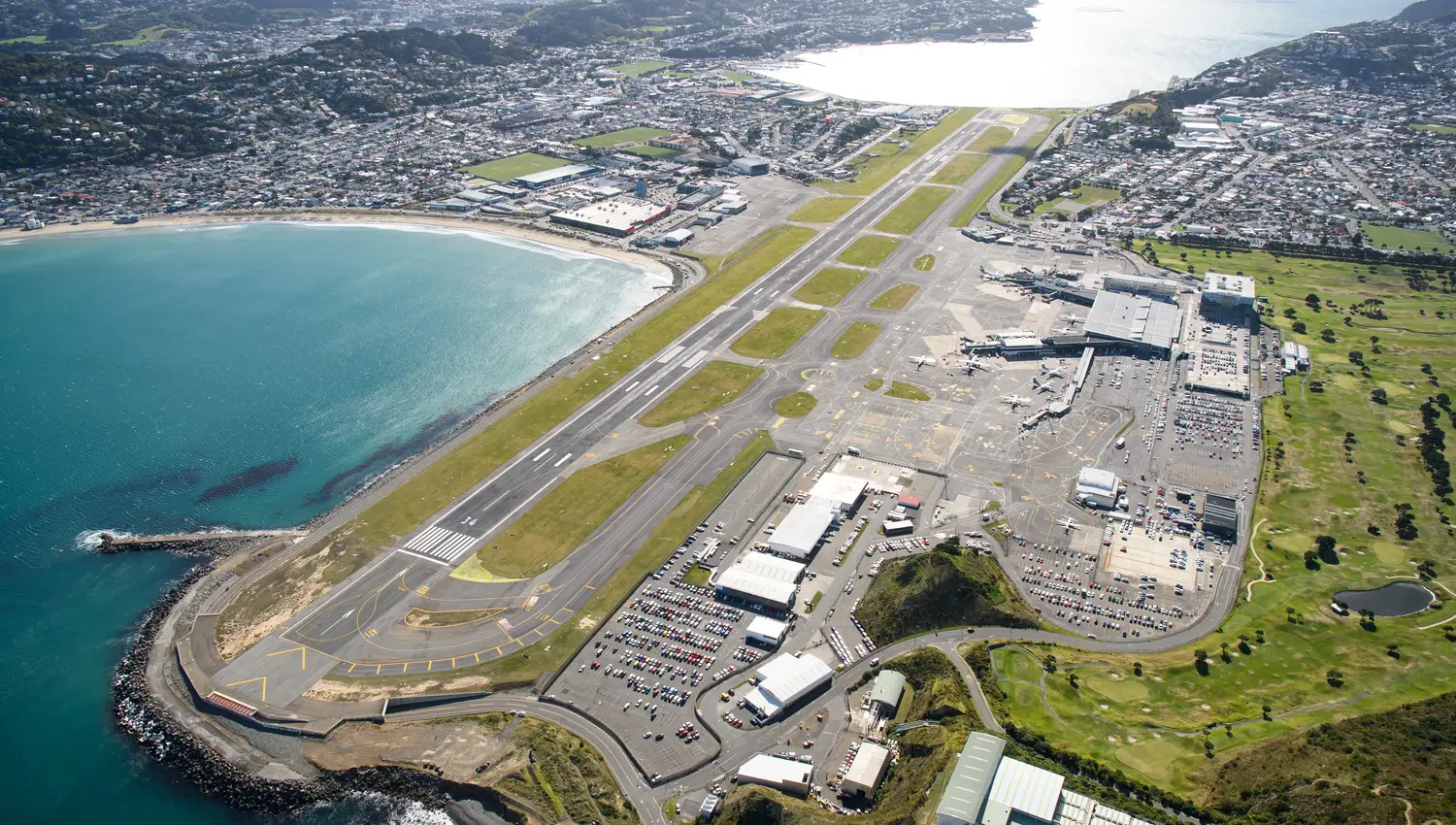
    By 2024, Wellington Airport had reached Airport Carbon Accreditation Level 4+ Transition, the second-highest tier in the only institutionally-endorsed carbon management certification programme for airports. Getting there had required years of expanding the GHG inventory, collating evidence, and going through the full ACA application and verification process largely on spreadsheets and email.

    The cost was felt across the calendar year:

    • Tenant data was collected via quarterly emails, follow-ups, and reminders, a manual process that consumed significant time
    • Invoices, evidence and source data lived in folder structures that were workable but required a lot of hands-on maintenance
    • The annual reporting load consumed a significant share of the sustainability team’s available capacity

    “If I was being melodramatic, I’d say it was death by spreadsheet. Doing a greenhouse gas inventory for an organisation like ours, with the number of stakeholders and tenants we have to gather data from, is a mountain of work. Lots of invoices, lots of self-organising, and lots of email follow ups.”
    Josh McIvor, Sustainability Manager, Wellington Airport

    The pressure wasn’t going away. Wellington Airport’s sustainability data was tied to multiple high-stakes commitments at once: ACA Level 4+ renewal every three years with annual interim reporting, sustainability-linked loan targets requiring independent assurance, GRESB benchmarking driven by parent company Infratil, and (at the time) mandatory Climate-Related Disclosures under the External Reporting Board regime.

    The team needed a data foundation that could carry all of it without growing the team to match.


    Action
    A complete carbon inventory, automated tenant data, and an auditor-friendly system of record

    Wellington Airport implemented BraveGen’s Carbon Accounting product as the single source of truth for emissions data across the precinct.

    The deployment did three things in parallel:

    Expanded the inventory to 100% of organisational boundary

    BraveGen made it much easier to expand tenant data to cover 100% of tenants in what would have otherwise been a very cumbersome and time-consuming process.

    Automated tenant data capture via smart forms

    The majority of Wellington Airport’s commercial tenants now enter data directly into BraveGen smart forms each quarter or six-monthly cycle. The team now rarely manually emails tenants, chases responses, or rebuilds spreadsheets, and the data lands in a structure that’s already audit-ready.

    Created a digital twin of a fluid, evolving airport

    The platform’s location structure mirrors how Wellington Airport actually operates: a precinct where retailers come and go, tenants change, properties are bought, sold, demolished and built. Capital projects are tracked as locations alongside operational sites, allowing emissions to be tracked against capital expenditure. End-dating handles changes cleanly, so historical data tells a true story rather than getting tangled with the current state.

    “The organisational benefit is probably underappreciated by anyone still living in spreadsheet land. All your documentation follows a logical structure, you can customise it to fit how you actually operate, and it becomes one stop shop: invoices, data, notes, organisational structure, all in the same place. We’re a fluid organisation. Retailers come and go, we buy and sell property, we demolish and build. Mirroring that in BraveGen is great.”
    Josh McIvor, Sustainability Manager, Wellington Airport

    Key features in use

    • Smart forms for automated tenant data collection across the precinct
    • Location hierarchy used as a digital twin of the airport, including capital projects
    • File upload, smart forms, and limited manual entry across data sources
    • Bulk emission factor updates aligned with MfE releases
    • Invoice-level documentation with notes, end-dating and full audit history
    • One source of truth shared with auditors and ACA verifiers

    Impact
    A complete inventory, no extra time, and confidence in every number

    Wellington Airport tripled the scope of its emissions reporting in the same year it adopted BraveGen, without adding headcount, and while spending less time on the inventory than before:

    • Tripled Reporting Scope Without Adding Headcount
      Wellington Airport significantly increased the number of tenants included in its GHG inventory in the same year it adopted BraveGen, while reducing total time spent on data collection, preparation, and follow-up.
    • Freed the Sustainability Team for What Actually Matters
      Inventory preparation no longer dominates the start of the year. What previously occupied the sustainability manager near full-time for the first three months is now a fraction of that effort, freeing capacity for the practical initiatives that advance the airport’s broader sustainability targets.
    • Faster, Lighter Audit and Verification
      Auditors now access source documentation directly within BraveGen. Questions have shifted from tracking down invoices to substantive methodology discussions, a significant change in how verification time is spent and a direct reduction in the team’s audit preparation burden.
    • Industry-Leading ESG Performance
      Wellington Airport scored 98/100 in GRESB FY25, with the team actively targeting 100/100 in FY26. The same underlying BraveGen inventory simultaneously supports ACA Level 4+ Transition renewal preparation, sustainability-linked loan assurance, and voluntary climate disclosures.
    • Higher Confidence in Every Number
      Calculations no longer depend on the integrity of cross-linked spreadsheets. With a single system of record, every figure is traceable, documented, and ready for scrutiny. That matters when the same numbers are tested across multiple independent assurance processes.
    • Foundation for Future Scope 3 Targets
      With FY27 marking the end of Wellington Airport’s current sustainability-linked lending arrangements, new Scope 3 targets will be required. The data flowing through BraveGen will be the direct foundation against which those targets are set and verified.

    Any sustainability manager can tell you there’s so much you actually want to spend time doing, and you have to be hands-on, because you don’t have an army of people. The less time I spend in spreadsheets following up on data, the more I can actually do that. This year I prepared the inventory while still being able to progress other important sustainability initiatives. Without BraveGen, I would have just blocked out a few months for the inventory alone.
    Josh McIvor, Sustainability Manager, Wellington Airport

    Wellington Airport’s experience demonstrates that getting the data foundation right is what allows a small sustainability team to operate at the maturity level that ACA, GRESB, and assurance providers now demand. As ANZ airports increasingly move up the ACA levels, the infrastructure required at Level 4 and above quickly outgrows what spreadsheets can carry, making a purpose-built system of record a prerequisite for sustained performance, not a luxury.


    In their own words

    We significantly increased the number of tenants we were collecting data for, at the same time as we brought BraveGen on. So I’m spending less time on it than before, while covering significantly more tenant data. It’s a fraction of the time spent requesting data from tenants.

    Auditors can explore the BraveGen system themselves. The questions we get now are about calculation methodology and bespoke things like passenger commuting, not ‘where’s this invoice, what was that?’ That’s been one of our biggest benefits.

    BraveGen is a great product. It’s been great for us. We’re loving it.


    Josh McIvor, Sustainability Manager, Wellington Airport
  • How Centuria Achieved 5-Star NABERSNZ Ratings and almost $200k Cost Savings

    How Centuria Achieved 5-Star NABERSNZ Ratings and almost $200k Cost Savings

    Challenge:
    Optimising Performance in a Complex Office Portfolio

    Managing a portfolio of office buildings presents constant challenges: balancing tenant comfort with operational efficiency, achieving strong sustainability credentials, and maintaining cost control in a competitive market. For Centuria’s office portfolio, these challenges were amplified by several factors:

    Incomplete Building Commissioning

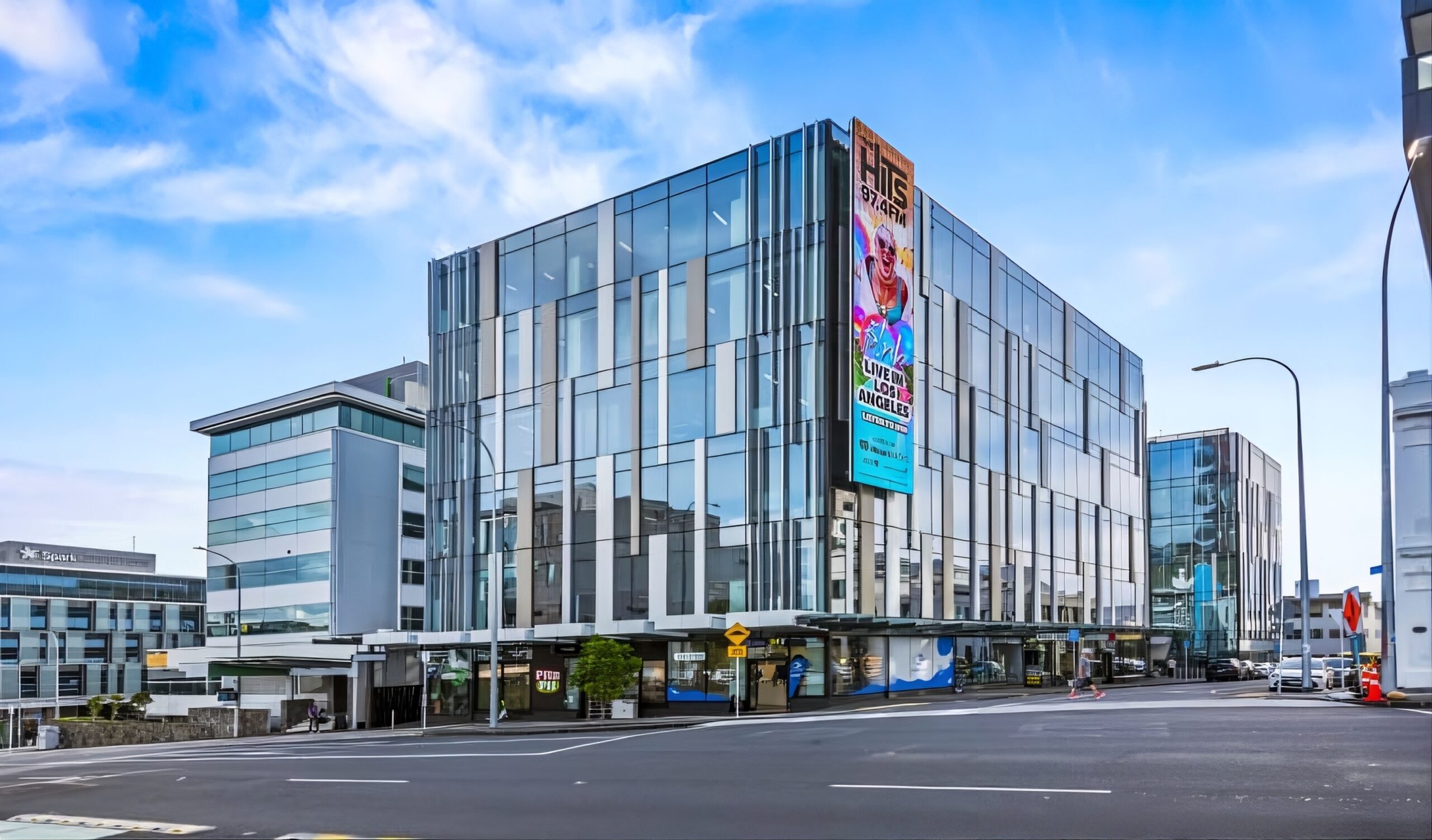
    When Centuria acquired 2-4 Graham Street – a modern, campus-style office building with integrated tenancies across multiple floors – the building hadn’t been fully commissioned despite being 10 years old. Plant equipment hadn’t been properly set up, and critical elements were missing for achieving the performance standards Centuria needed. What initially appeared to be straightforward equipment issues revealed deeper systemic problems requiring comprehensive commissioning work.

    Contractor Management and Process Improvement

    Building performance improvements were being identified, but follow-through varied without clear processes and defined ownership. Issues would be flagged during audits or reviews, but the path from identification to resolution wasn’t always straightforward, making it difficult to maintain consistent system efficiency across the portfolio.

    Leading in a Competitive Market

    Auckland’s office market demands excellence in building performance and sustainability credentials. For Centuria, one of the largest Australasian managers of real estate investment, maximising operational efficiency, maintaining high tenant satisfaction, and achieving market-leading NABERSNZ ratings is essential.


    Action

    To address these challenges, Centuria partnered with BraveGen in 2023 to implement a Building Optimisation programme combining advanced monitoring technology with ongoing expert consulting services:

    • Accelerated Data-Driven Action: Deployed real-time energy monitoring across all buildings, enabling rapid implementation and faster identification of consumption patterns and savings opportunities.
    • Unlocked Targeted Energy Savings: Leveraged BraveGen’s analytics and CLIVE AI alerts to detect baseline shifts and inefficiencies, driving targeted interventions that reduced unnecessary energy use.
    • Boosted System Efficiency: Conducted monthly BMS reviews and optimisation, resolving equipment and scheduling issues to improve building stability and deliver measurable operational improvements.
    • Closed Performance Gaps: Increased issue closure rates from just 4% to 100% at one site within six months, ensuring problems were solved swiftly and performance improved.
    • Achieved Verified Sustainability Gains: Supported successful NABERSNZ certifications and delivered transparent reporting, giving owners and managers clear evidence of efficiency and sustainability progress.

    Impact

    The sustained partnership between Centuria and BraveGen has delivered significant, measurable results:

    • Delivered Major Cost Savings: Achieved $194,000 in annual energy cost reductions portfolio-wide, providing Centuria with concrete value to present during lease negotiations.
    • Transformed Operational Performance: Identified and resolved 1,019 out of 1,093 building issues—a 93% closure rate—shifting operations from reactive to proactive optimisation.
    • Secured Top Sustainability Ratings: Attained and maintained 5-star NABERSNZ ratings across all buildings, including 2-4 Graham Street and 33 Broadway, with 96 St Georges Bay Road tracking toward 5.5 stars by 2026.
    • Enhanced Tenant Retention and Experience: Delivered more comfortable, cohesive environments—especially for complex sites like 2–4 Graham Street- leading to higher tenant satisfaction and retention through consistent comfort and reduced costs.
    • Built Lasting Capability and Culture: Elevated Centuria’s in-house expertise in building performance, strengthened participation in sustainability initiatives, and fostered ongoing continuous improvement through transparent reporting and diligent oversight.

    In their own words

    Centuria

    “We engaged BraveGen to help optimize our building performance, and they’ve significantly over-delivered. Their hands-on expertise and deep technical knowledge of our assets, combined with their AI-powered monitoring, has unlocked value we didn’t expect.”

    Maddy Morey
    Asset Manager

    Bayleys

    “Working with BraveGen has improved how we manage these buildings and delivered great results. They’ve helped us shift from reactive to proactive management driven by data, visibility, and accountability. Through system monitoring, BMS audits, and direct contractor engagement, they give us the expertise we need in what’s otherwise a very complex environment.”

    Dean Davies
    Senior Property Manager


  • How ASB Bank cut energy use by 49%, saved $2.1M annually, and avoided 11,575 tCO₂‑e with BraveGen’s monitoring and analytics

    How ASB Bank cut energy use by 49%, saved $2.1M annually, and avoided 11,575 tCO₂‑e with BraveGen’s monitoring and analytics

    Challenge
    Limited Insight from Traditional Reporting

    ASB set ambitious long‑term energy and carbon reduction goals, but its existing approach to tracking performance relied heavily on traditional energy audits and invoice data. This meant the property team lacked the real‑time visibility needed to identify high‑consumption sites and prioritise efficiency upgrades.

    The limitations included:

    • Energy usage data delayed by monthly billing cycles
    • No live monitoring to pinpoint specific inefficiencies
    • Inability to compare site performance and target worst performers
    • Rising energy use per sqm despite earlier initiatives
    • Difficulty building a strong business case for future improvements

    Action

    BraveGen provided comprehensive monitoring, analytics, and consulting services to integrate efficiency and sustainability into ASB’s property operations.

    Automated Data Integration

    • Installed high‑quality sub‑load metering at all sites, measuring every 15 minutes
    • Consolidated all monitoring into BraveGen’s cloud analytics platform
    • Developed a branch energy tracker leaderboard to engage and motivate teams
    • Automated carbon calculators for reporting and audit requirements
    • Implemented a rolling programme of performance upgrades based on data insights

    Key Features Implemented

    • Portfolio‑wide real‑time energy monitoring
    • Targeted performance improvement programme
    • Integration with NABERSNZ for building performance ratings
    • Energy audit and tariff optimisation services
    • Ongoing managed services for continuous savings

    Impact

    Operational Improvements

    • 49% energy reduction achieved across the entire portfolio – 14.3 GWh annually saved
    • Over $2.1 million NZD annual cost savings
    • 11,575 tonnes CO₂‑e avoided cumulatively – electricity is ASB’s largest single direct emission source
    • 5 Star NABERSNZ rating at North Wharf HQ
    • Improved audit efficiency – direct meter data used for carbon reporting, reducing admin burden

    Awards & Recognition:

    • Winner, EECA Energy Management Award (2012)
    • Winner, EECA Large Business Award (2012)
    • Commended, EECA Large Business Award (2014)

     “ASB is really proud of the energy efficiency results we have achieved. Our partnership with BraveGen has been critical to delivering those results across such a large portfolio.”
    Anita Potgieter – Head of Facilities Management, ASB Bank

    “The monitoring and professional services that BraveGen provide have been invaluable. They give us the visibility to productively plan and track performance across our entire portfolio.”
    Matt Rowbotham – GM Procurement & Property, ASB Bank

  • How Port Marlborough cut GHG emissions by 8% and landfill waste by 5% in just six months with BraveGen

    How Port Marlborough cut GHG emissions by 8% and landfill waste by 5% in just six months with BraveGen

    Challenge
    Manual Processes Hindering Sustainability Goals

    Port Marlborough operates across multiple sectors — from shipping and forestry exports to tourism and New Zealand’s largest marina operation. Sustainability is embedded in their long-term strategy, underpinned by the four pillars: People, Planet, Prosperity, and Partnerships, and aligned with the UN Sustainable Development Goals (SDGs).

    However, their sustainability reporting was manual and spreadsheet-based, creating challenges:

    • Inefficiency in monthly and half-yearly reporting
    • Difficulty providing clear audit trails
    • Limited granularity on emissions and waste data
    • Supplier reporting inconsistencies (Scope 3 challenges)
    • Risk of human error during data entry and analysis

    As the only NZ port reporting to GRI standards, accuracy and consistency were non‑negotiable — but the existing system could not support expanding compliance and transparency needs.

    “Our monthly and half-yearly reports were challenging, and audit tracing was particularly difficult with data stored in spreadsheets.”
    Rebekah Anderson – Environmental Manager


    Action

    BraveGen implemented an automated, centralised sustainability data platform to replace manual processes and enable accurate, timely, and auditable reporting.

    Automated Data Integration

    BraveGen’s platform allowed Port Marlborough to:

    • Streamline data collection across all emissions scopes, including supply chain
    • Replace manual spreadsheets with a centralised, structured system
    • Automate sustainability scorecards aligned with their four strategic pillars
    • Establish built-in audit trails to trace data back to sources instantly
    • Report with greater granularity on emissions, waste, and water usage

    Key Features Implemented

    • Centralised sustainability reporting platform
    • Automated emissions, waste, and water tracking
    • Supplier data integration and Scope 3 readiness
    • Real-time sustainability scorecards
    • Comprehensive audit trail functionality
    • Alignment with GRI reporting standards

    Impact

    Operational & Environmental Improvements

    • 8% GHG reduction and 5% landfill waste reduction achieved in just 6 months
    • Major audit success — passed verification audit with only minor non‑conformances, resolved immediately
    • Freed up staff time — reduced manual data entry workload, enabling focus on climate action projects rather than admin
    • Increased data transparency and consistency for both internal and third‑party verification
    • Improved supplier reporting, setting the foundation for future Scope 3 integration

    “BraveGen’s audit trail feature was invaluable. We completed our audit with only some minor non‑conformances that were actioned immediately.”
    Rebekah Anderson – Environmental Manager

    “Improvement is only possible when data is measured accurately. BraveGen has been instrumental in providing the transparency and granularity needed to inform our sustainability efforts.”
    Rebekah Anderson – Environmental Manager

  • How construction company Naylor Love achieved 70% waste diversion and progressed toward a 46% emissions reduction target with BraveGen

    How construction company Naylor Love achieved 70% waste diversion and progressed toward a 46% emissions reduction target with BraveGen

    Challenge
    Outgrowing Manual Systems

    Naylor Love has set science-based carbon reduction goals — 46% by 2030 and Net Zero by 2050. As these ambitions grew, manual spreadsheets proved inefficient and vulnerable to data entry errors.

    This approach made it difficult to:

    • Track detailed fleet emissions accurately
    • Monitor carbon budgets by project and region
    • Report comprehensively on Scope 1, 2, and emerging Scope 3 emissions
    • Manage waste diversion effectively at project level

    The lack of granular, accurate data limited their ability to make informed decisions — particularly around transitioning the fleet to hybrid or lower-emission vehicles.

    “Before BraveGen, we were using spreadsheets, which were OK for basics, but as the company grew, it became clear we needed a more robust system.”
    Jennie Watkins – Benchmarking & HSE Coordinator


    Action

    BraveGen implemented a centralised carbon accounting and sustainability data platform, replacing Naylor Love’s spreadsheets with an automated, highly detailed tracking system.

    Automated Data Integration

    BraveGen’s platform enabled Naylor Love to:

    • Replace spreadsheets with a structured, centralised system
    • Integrate live fleet monitoring to track fuel consumption per vehicle
    • Measure and manage carbon budgets by region and by project
    • Conduct Scope 1 & 2 tracking, with readiness for Scope 3
    • Track waste diversion rates across all projects

    Key Features Implemented

    • Centralised carbon and sustainability data management
    • Fleet-level emissions tracking and analysis
    • Waste management dashboards
    • Carbon budget monitoring by region
    • Real-time reporting and visual dashboards
    • Compliance readiness for Toitū Elevate certification
    • Integration with existing business operations and reporting requirements

    Impact

    Operational Improvements

    • Achieved 70% waste diversion across projects
    • Fleet insights enabled transition to hybrid vehicles and phase-out planning for diesel by 2030
    • Improved data accuracy and removed spreadsheet inefficiencies
    • Gave regional teams ownership of emissions targets via dashboards
    • Increased capacity for Scope 3 reporting ahead of regulatory demands

    “Our fleet is one of the biggest contributors to our carbon footprint. BraveGen’s ability to track fuel consumption at the individual vehicle level has been a game-changer.”
    Pete Lockhart – General Manager

    “One of the things I’m most proud of is the carbon dashboards. They allow us to track performance against carbon budgets more effectively.”
    Jennie Watkins – Benchmarking & HSE Coordinator

    What’s Next

    Naylor Love will:

    • Expand sustainability reporting to include full Scope 3 emissions
    • Continue optimising their vehicle fleet for lower emissions
    • Use BraveGen’s detailed dashboards to embed carbon management into every project

    “Scope 3 is going to be a big challenge, but we’re prepared. Thanks to BraveGen, we’re set up to navigate that over the next year.”
    Jennie Watkins – Benchmarking & HSE Coordinator

  • How property manager Bayleys and property owner Goodman’s achieved $3M in annual savings at Harbour Grounds Precinct

    How property manager Bayleys and property owner Goodman’s achieved $3M in annual savings at Harbour Grounds Precinct

    Challenge:
    Improving Performance in a Complex Property Precinct

    Property managers overseeing large, multi-site commercial portfolios face the constant challenge of balancing tenant comfort and sustainability with building performance and compliance targets. This is especially true at Auckland’s Harbour Grounds precinct, comprising seven waterfront office buildings totaling over 88,000 sqm and accommodating around 7,000 people. Here, assets of varying vintages and systems are managed for a high-profile workforce and discerning tenants. Growing expectations around energy ratings (notably NABERSNZ), operating cost control, and carbon emissions reductions placed increasing pressure on owners and managers to find robust, scalable solutions that could enable ongoing improvement and innovation – without compromising amenity or staff wellbeing.


    Action

    To meet these challenges, the owners of Harbour Grounds, with Bayleys as property manager, partnered with BraveGen in 2014. Their approach included:

    • Deploying advanced monitoring equipment and integrating with existing building sensors to collect real-time data on electricity, gas, and water consumption across all seven precinct buildings.
    • Implementing BraveGen’s cloud-based analytics platform for automated, continuous capture and advanced analysis of sub-metered energy data—enabling the accurate benchmarking of usage and identification of specific savings opportunities.
    • Correlating operational data (such as occupancy, hours of use, and heating/cooling needs) to add critical context to energy consumption patterns and inform actionable insights.
    • Engaging BraveGen’s specialist engineers to validate, analyse, and interpret the data—resulting in targeted interventions like building management system (BMS) optimisation, lighting upgrades, and HVAC improvements.
    • Setting clear performance goals around NABERSNZ ratings, with a roadmap to 5.5 stars, supporting ambitions to offer “high-quality, energy-efficient office space” for tenants.
    • Delivering detailed, actionable reporting to building managers and owners, enabling data-driven decisions and fostering a culture of sustainability among tenants.

    Impact

    The sustained partnership between Harbour Grounds and BraveGen has delivered significant, measurable results:

    • Over $3 million saved in operational costs for tenants since 2014—representing up to 32% reduction in energy costs across the portfolio.
    • 20 GWh in energy savings achieved—enough to power approximately 3,225 households.
    • 2,700 tonnes of CO₂-e avoided, putting the precinct on track to meet and exceed carbon reduction targets.
    • Continually improving NABERSNZ ratings: multiple buildings at 4+ stars, with one building on track for a 5.5 star rating.
    • Award-winning outcomes: Recognised as the EECA 2018 Energy and Emissions Reduction Project of the Year.
    • Enhanced tenant and staff experience: tangible improvements in office air quality, thermal comfort, and workplace amenity, driving greater wellbeing and staff engagement in ongoing sustainability efforts.
    • Culture shift: Increased awareness and participation in sustainability initiatives among tenants, supported by transparent reporting and visible building performance gains.

    The success at Harbour Grounds illustrates how integrated monitoring, advanced analytics, and specialist expertise empower property managers to unlock ongoing energy, cost, and carbon savings—while elevating workplace experience for tenants and staff.

  • How Auckland Council optimised energy use and cut $1.5M in costs across a diverse civic property portfolio

    How Auckland Council optimised energy use and cut $1.5M in costs across a diverse civic property portfolio

    Challenge:
    Improving Energy Management Across a Diverse Property Portfolio

    Auckland Council faces the complexity of managing a diverse portfolio of more than 3,500 buildings, ranging from large administration offices to public-use libraries, leisure centres, and swimming pools, each possessing highly specific and variable energy use profiles. The operational requirements for these facilities are diverse, involving different occupancy patterns, hours of use, and environmental control needs, making systematic energy management particularly challenging. Efficient asset management is critical for both reducing operating costs and meeting ambitious climate targets, such as a 50% reduction in greenhouse gas emissions by 2030 and net zero by 2050. The council needed detailed, real-time information across its portfolio to inform energy reduction strategies that could be consistently applied despite the complexity, scale, and variety of its assets.


    Action

    To address these challenges, Auckland Council partnered with BraveGen, an energy management solutions provider, beginning in 2012. The collaborative approach involved:

    • Deploying advanced remote monitoring equipment on nearly 70 of the council’s most-used buildings, capturing real-time electricity, gas, water, and temperature data at 15-minute intervals.
    • Utilising BraveGen’s cloud analytics platform for automated data aggregation, validation, and analysis, leveraging high-powered AWS cloud computing and machine learning to identify consumption trends and anomalies.
    • Benchmarking and categorising sites by region and type—such as administration, ‘wet’ leisure (with pool), ‘dry’ leisure, library, and others—to enable targeted comparison and management at scale.
    • Implementing site-specific interventions, informed by analytics and on-site context, including:
      • Lighting upgrades (e.g., Remuera Library)
      • Air conditioning optimisation (e.g., Papakura Service Centre)
      • Chiller unit upgrades (e.g., 135 Albert St)
      • Solar power installation (e.g., Wellsford Library)
      • Building Management System (BMS) optimisation
    • Establishing an alert system to detect, qualify, and escalate faults in utilities consumption for rapid response and rectification.
    • Adopting a continuous improvement process with year-on-year energy consumption reduction targets, with a focus on achieving, verifying, and surpassing initial performance goals.

    Impact

    The systematic integration of BraveGen’s monitoring and analytical tools has delivered measurable results for Auckland Council:

    • Energy consumption reduced by 11.73 GWh since project inception, equivalent to the annual usage of approximately 1,035 households.
    • Operational cost savings of $1.5 million per year are on track through improved building performance and efficiency measures.
    • Carbon emissions reduction of 1,231 tonnes CO₂-e avoided annually, directly supporting Auckland’s net zero targets.
    • Targeted further 13.2% reduction in energy use for 2021, with ongoing progress towards long-term sustainability goals.
    • Additional benefits have included:
      • Improved air quality and lighting, leading to enhanced staff and customer wellbeing.
      • Positioning the council to achieve NABERSNZ sustainability ratings for appropriate buildings.
      • Enhanced resilience and adaptability during operational disruptions (e.g., Covid-19), with real-time data supporting rapid closure or modification of building operations without waste.
      • Creation of a robust foundation for future strategic asset management in line with Auckland’s long-term climate and sustainability plans.

    This case demonstrates how leveraging innovative digital solutions and long-term, data-driven collaboration enables large public sector organisations like Auckland Council to overcome the complexity of diverse asset portfolios and make significant progress on climate, financial, and wellbeing outcomes.

  • How NAB streamlined their sustainability reporting and eliminated manual data collection across multiple markets.

    How NAB streamlined their sustainability reporting and eliminated manual data collection across multiple markets.

    Challenge:
    Manual Process Inefficiencies

    Despite being recognised as a leader in environmental performance, NAB’s sustainability reporting process relied heavily on email and spreadsheets, which was:

    • Labour‑intensive across multiple markets
    • Lacking version control and clear verification processes
    • Vulnerable to human error and inconsistencies
    • Time‑consuming to compile for internal and external reporting
    • Limiting the ability to track trends and drive proactive action

    “There was no version control and no clear verification that the data was accurate.”


    Action

    BraveGen implemented a comprehensive, automated sustainability data management platform, integrating with NAB’s existing software systems to eliminate manual handling.

    Automated Data Integration

    • Centralised all data collection in one platform
    • Automated verification processes to ensure 100% accuracy
    • Delivered real‑time reporting across all six global markets
    • Integrated seamlessly with existing enterprise systems for minimal disruption

    Key Features Implemented

    • Centralised data storage and management
    • Automated data workflows across business units and geographies
    • Built‑in validation and audit‑ready verification
    • Interactive dashboards for insight and analysis
    • Coordination of sustainability reporting globally

    Impact

    Operational Improvements

    • 95% reduction in manual processing time
    • 100% verification accuracy for sustainability data
    • Significant reduction in risk of data errors
    • Greater confidence in reporting outputs for stakeholders and audits
    • Freed resources to focus on delivering environmental programmes, not admin

    Extended Benefits from Further Improvements

    NAB has since implementation:

    • Expanded automation to cover additional sustainability KPIs
    • Used BraveGen insights to progress long‑term emissions reduction and resource efficiency targets
    • Integrated supplier data for deeper value chain visibility and more robust climate reporting